Background to the Battle: The Death of Edward IV and the Rise of Richard III

With the unexpected death of King Edward IV in 1483, the throne of England was left to his young son, Edward V, who was merely twelve years old at the time. In a period rife with political turbulence and familial betrayal, Edward IV's brother Richard was appointed as the protector of the realm. However, amidst swirling distrust and burgeoning enmity within the dukedom, Richard found his seat as the protector besieged by adversaries both domestic and foreign.
The Tudor Challenge and the Gathering Storm
As Richard navigated the treacherous waters of his new role, a challenger emerged from across the Channel: Henry Tudor. On 7 August 1485, Henry landed at Milford Haven with a contingent of French mercenaries and a cadre of sympathetic Lancastrian nobles. His forces swelled as he marched through Wales, drawing supporters to his banner in a cause to dethrone the protector who had claimed the throne himself.
Richard III Vs. Henry Tudor: The Eve of the Battle of Bosworth
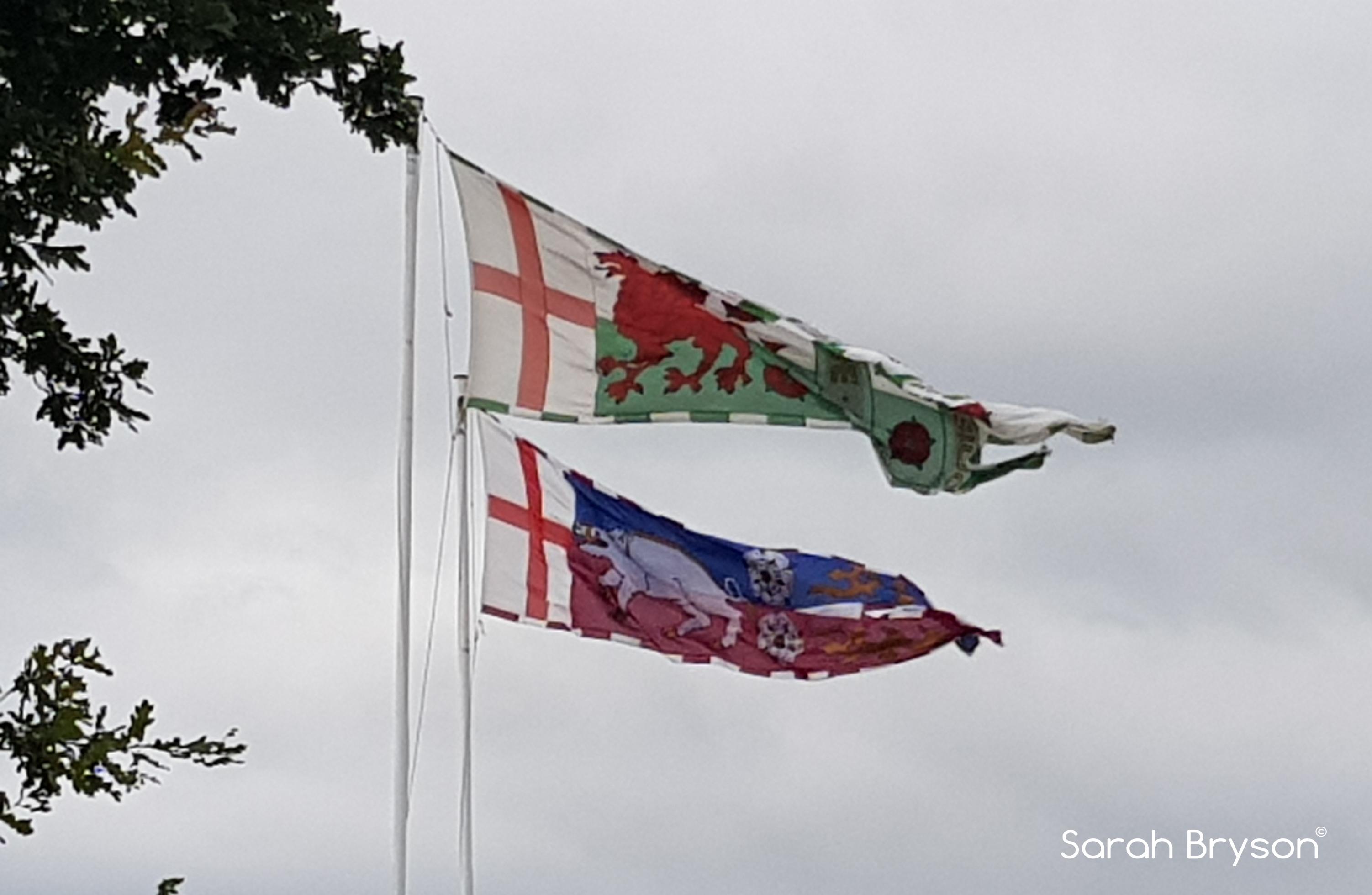
Word of Henry's march reached Richard in Nottingham, prompting the King to decamp to Leicester by 19 August. The two armies, instruments of their sovereigns' destinies, soon found themselves a mere marching day apart south of Market Bosworth.
The Forces Gather
Richard's forces were a formidable sight, nearly 8,000 strong, but their might was matched by the uncertainty of alliance, particularly with the Stanleys, whose loyalty was perceived as equivocal. Henry, commanding a smaller force of about 5,000, was bolstered significantly by the Stanleys' eventual defection which brought a substantial number of men to his cause during the battle.
The Decisive Clash: The Battle of Bosworth Field

The confrontation that unfolded on the slopes of Ambion Hill on 22 August 1485 would become a historical fulcrum, lasting a mere two hours but reshaping the storied lineage of the English crown. Richard held the advantageous position, but historical accounts suggest a hesitation to assail Oxford's vanguard as they deployed, which could have routed Henry's forces early in the fray.
The Tide Turns
Lord Oxford managed to mount an effective offensive, and when the loyal Duke of Norfolk fell in battle, the scales began to tip. For an hour, combatants on both sides held nothing back, locked in a struggle where every sword thrust and shield block could mean the difference between a kingdom preserved or lost.
The Fall of Richard III
The ultimate betrayal came not only from the Stanleys but from within, as the expected support from the Earl of Northumberland waned at the critical moment. With no reinforcements coming to the fore, the battle sealed Richard's fate. His death marked not only the demise of a king but the very end of the Plantagenet dynasty, giving rise to a new era under the banner of the Tudors.
Conclusion: Legacy of the Battle and the Wars of the Roses
In the aftermath of the Battle of Bosworth, the fraught story of the Wars of the Roses drew to a close. The Titulus Regius, which had legitimized Richard's claim, was abolished by Henry VII, and a new chapter in English history commenced. The reverberations of that day continue to echo through the annals of history, a poignant reminder of the tenuous grasp of power and the ever-shifting sands of alliance and enmity.