King Richard III: Last of the Plantagenet Kings
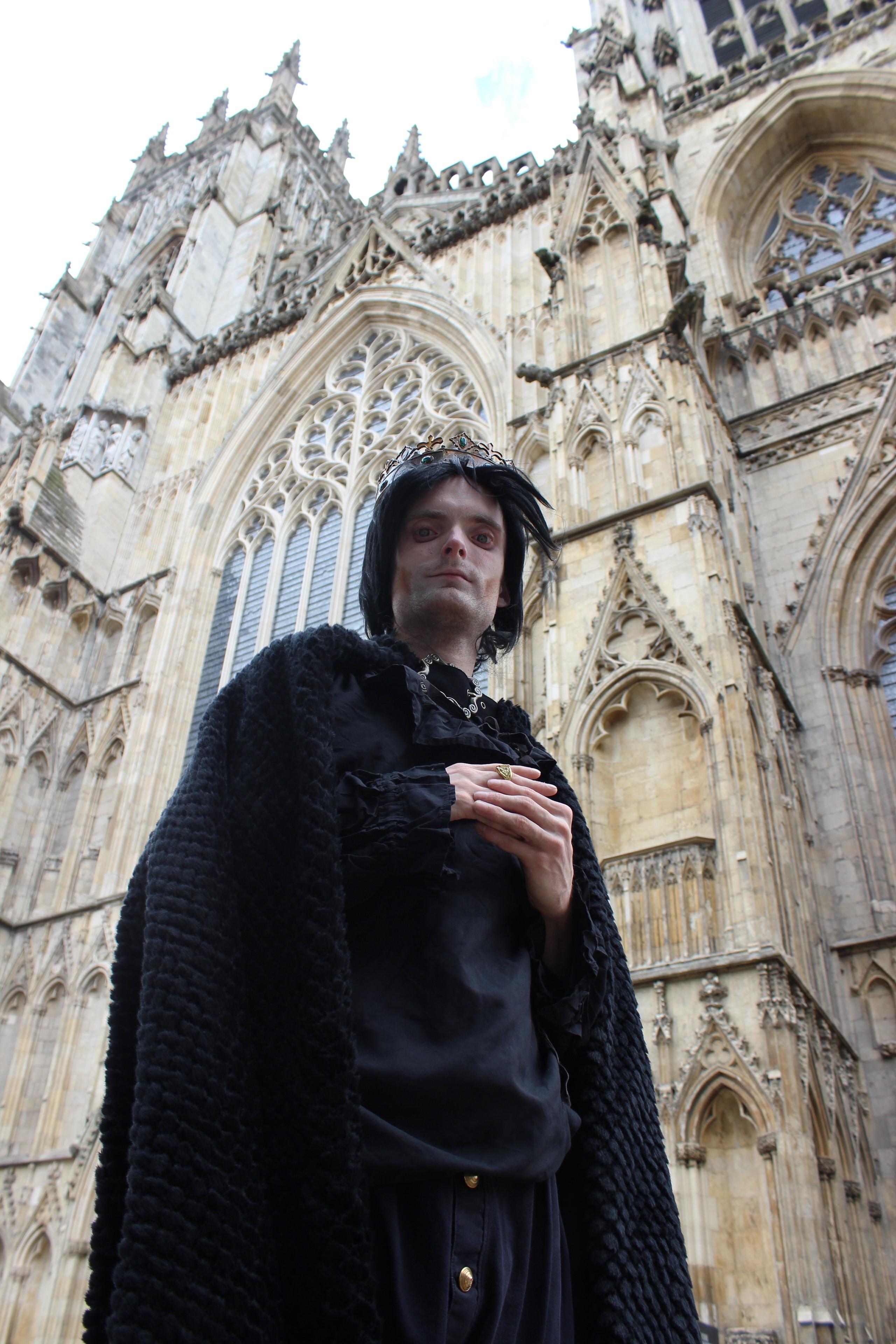
King Richard III's ascension to the throne was marred by the political strife that characterized the latter days of the War of the Roses. As the only king from the north and the last of the Plantagenet dynasty, Richard III's tenure was short-lived yet impactful. In the year 1485, on the fateful day of August 22, at the age of 32, he met his demise on the field of battle, making history as the last English king to die in combat. His death at the Battle of Bosworth marked the abrupt end of the Yorkist rule and the dawn of a new era under the Tudor banner.
The Lead-Up to Bosworth
The Battle of Bosworth was the penultimate military encounter in the Wars of the Roses, a decades-long feud between the houses of York and Lancaster. Richard's rise to the throne, built on overcoming political intrigue and absorbing personal tragedy, was seen as a beacon of promise during a period fraught with contention.
Henry Tudor's Ascent and Retribution
The victor of Bosworth, Henry Tudor, claimed the crown as Henry VII, aggressively consolidating power by backdating his reign to even before the battle. This maneuver sought to legitimize the new dynasty while branding all loyalists to Richard as traitors—subjecting them to the harsh penalties reserved for those who betray the crown.
Richard III's Enduring Legacy of Valor
Treason and Bravery
Notwithstanding the accusations and subsequent rewriting of history, even those who stood against Richard could not dispute his bravery. Among them, Polydore Vergil, the historian of Henry VII, acknowledged Richard's gallant fight amid overwhelming odds. A similar sentiment resonated within York's corridors of power, where the death of the monarch was felt deeply and perceived as a grave injustice.
The Grief of York

The love held by Richard's subjects, particularly in York—where he was dubbed "right high and mighty prince"—transformed his loss into a city's collective mourning. His untimely death not only represented personal tragedy but also the shattering of an affinity built over Richard's tenure as their lord.
The Battle's Narrative Legacy
In historical accounts, the Battle of Bosworth has been narrated with many variations, but the common thread that persists is Richard's indomitable fighting spirit, which shone through even amidst betrayal and defeat.
Continued Exploration and Remembrance
Our commitment to uncovering the nuanced truths behind King Richard III's life and death is as strong as ever. Through ongoing research and discovery, we aim to shed light on the many facets of his reign and the era that he lived in—a quest for knowledge that honors his memory.
Remembering the Fallen
The battle did not only affect Richard III but also altered the lives of countless fighters whose names are etched in the annals of history. A comprehensive Roll Call of the Battle of Bosworth serves to commemorate those who stood and fell on that crucial day.
Upcoming Commemorative Events
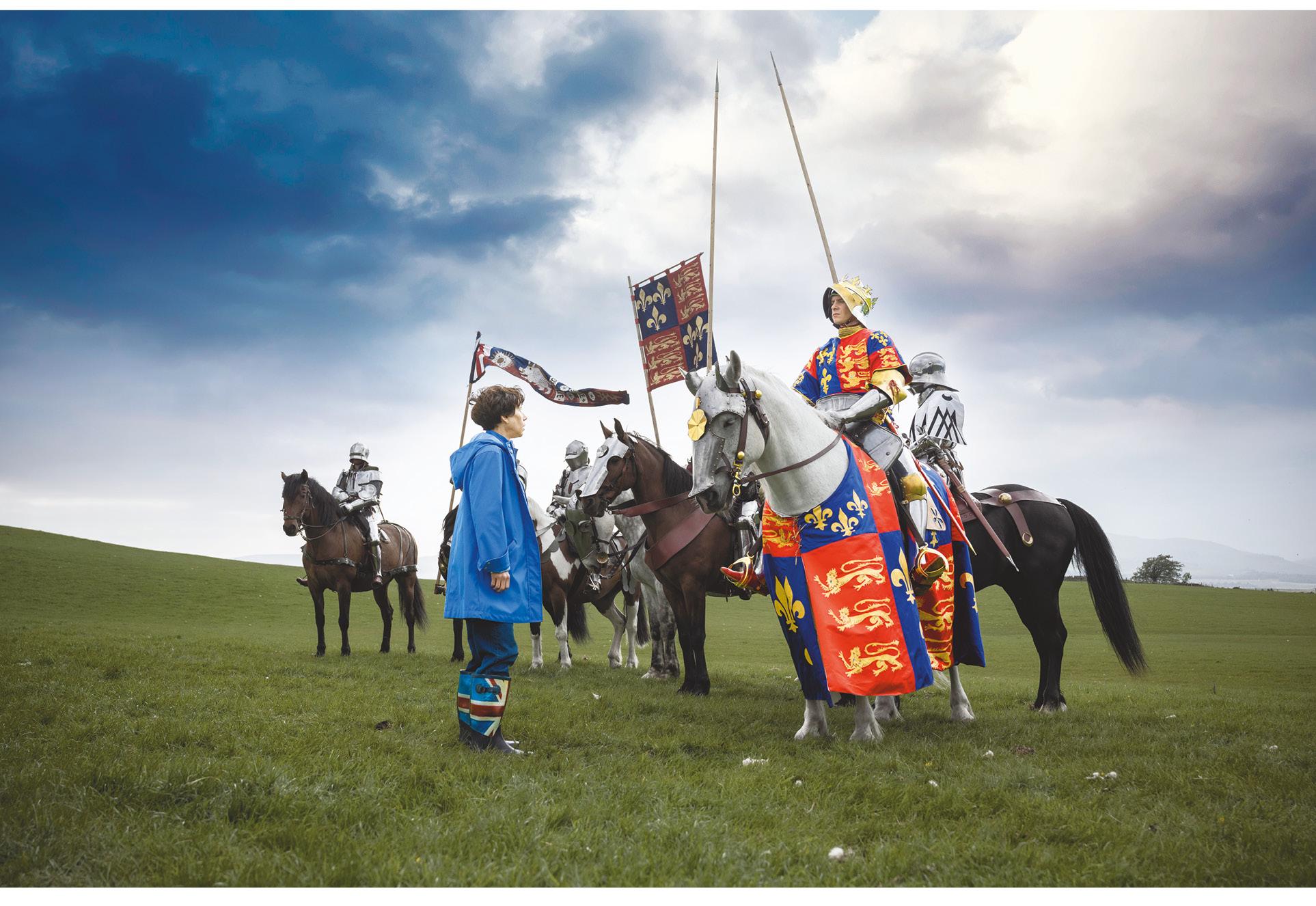
To maintain a connection with this significant historical event, various lectures and educational initiatives continue today. These include discussions on the psychological impacts of the battle, as well as scholarly assessments of the associated religious and cultural sites of the time, such as Merevale Abbey.
Furthering Historical Discussion
New Insights and Works
As we encourage ongoing discourse, we celebrate the contributions of enthusiasts and scholars alike who bring fresh perspectives and theories about Bosworth. These voices help enliven our understanding of the past with vibrant new interpretations.
Literary Contributions
There is an ever-expanding collection of books and articles that explore the intricacies of the Battle of Bosworth. Such literary efforts provide a wealth of knowledge and opinion that enrich the collective comprehension of this pivotal moment in history.
Reflecting on the Past, Informing the Future
In our enduring aim to honor King Richard III and the defining moments of his rule, such as the Battle of Bosworth, we continue to delve into the depths of history. It is through continued research, discussion, and commemoration that we ensure these historical milestones remain vivid and valued threads in the fabric of English history.