The Prelude to Battle: Political Ambitions and Royal Succession

On the 30th of December, 1460, a pivotal moment in English history unfolded with the Battle of Wakefield, marking a significant event in the Wars of the Roses. Earlier that year, following the Battle of Northampton, the Duke of York's political maneuvers appeared to secure a clear path to the throne. His agreement with King Henry to establish the right of succession for himself and his descendants seemed to set the stage for a Yorkist dynasty.
Queen Margaret's Northern Resistance
Despite this apparent success, Queen Margaret was not to be easily subdued. Determined to protect her son's claim to the throne, she began assembling a formidable army in North Wales. As tensions mounted, it was clear that a decisive conflict was inevitable.
Confrontation at Sandal Castle: York's Fateful Decision

By Christmas Eve, the Duke of York found refuge in Sandal Castle near Wakefield, his position seemingly secure as he awaited reinforcements. Nevertheless, within days, the larger Lancastrian force closed in on him. Despite the wisdom of maintaining a defensive posture, York made a critical decision that would have far-reaching consequences.
The Tragic Outcome of Miscalculated Tactics
Rejecting the option to wait, the Duke chose to meet his adversaries on open ground. Leading his men from the south gate of Sandal Castle, York had to navigate through enemy lines formed between the castle and Wakefield. Tragically outnumbered and encircled by Lancastrian troops, York's forces suffered a swift and brutal defeat.
The Aftermath: A Dynasty in Peril, Heroes Fallen
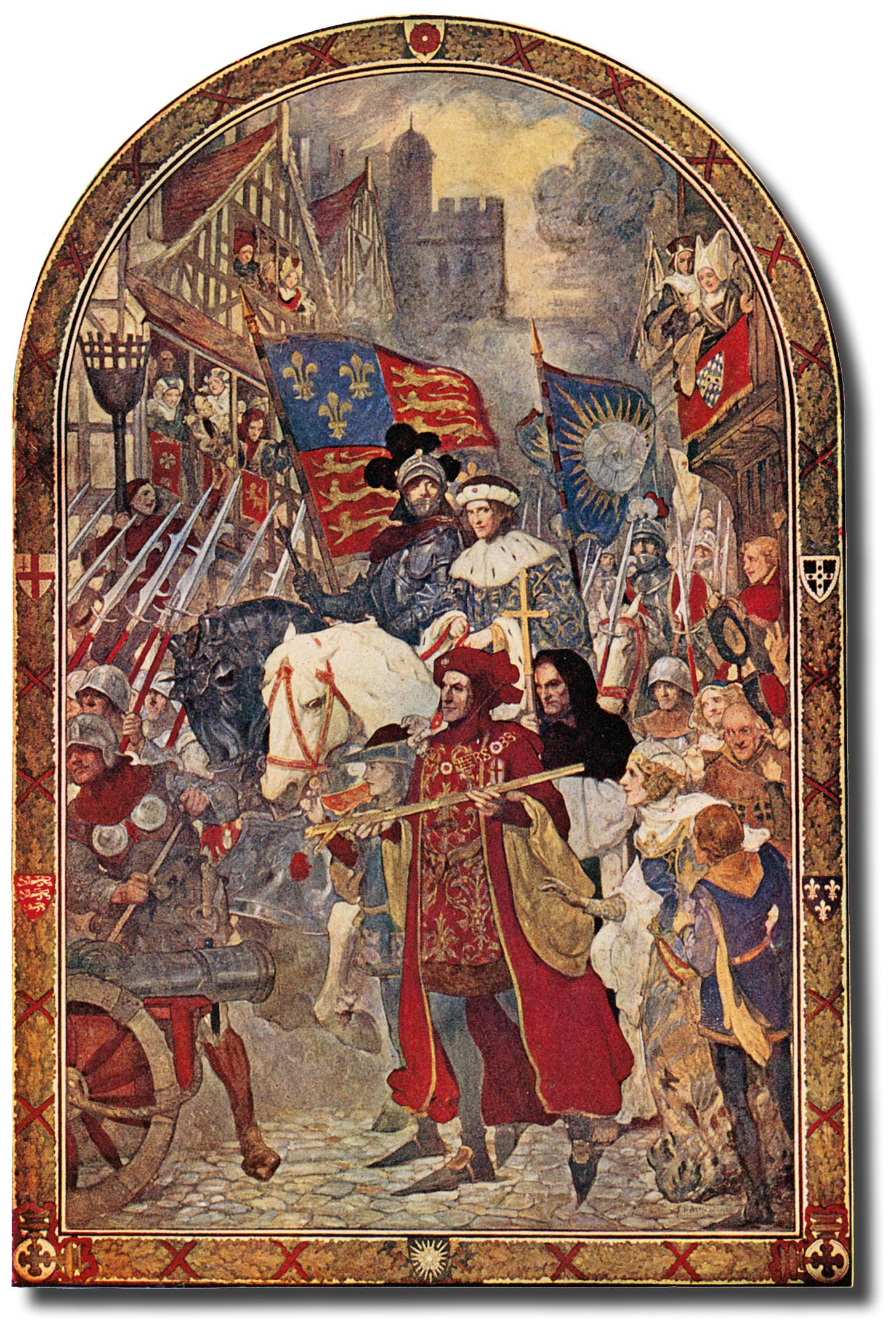
The fatal engagement at Wakefield not only cost the Duke of York his life but also claimed the lives of many influential Yorkists. The implications were profound, casting a long shadow on the fortunes of the House of York and altering the trajectory of the bitter dynastic conflict. rechargeable>
Consequences for the Wars of the Roses
The Battle of Wakefield stands as a testament to the unpredictable currents of war and the fragility of political power during tumultuous times. Its outcome reverberated through the subsequent chapters of the Wars of the Roses, cementing its place as one of the most significant battles in English history. rechargeable>