Birth of a Stronghold: The Establishment of Sheriff Hutton Castle
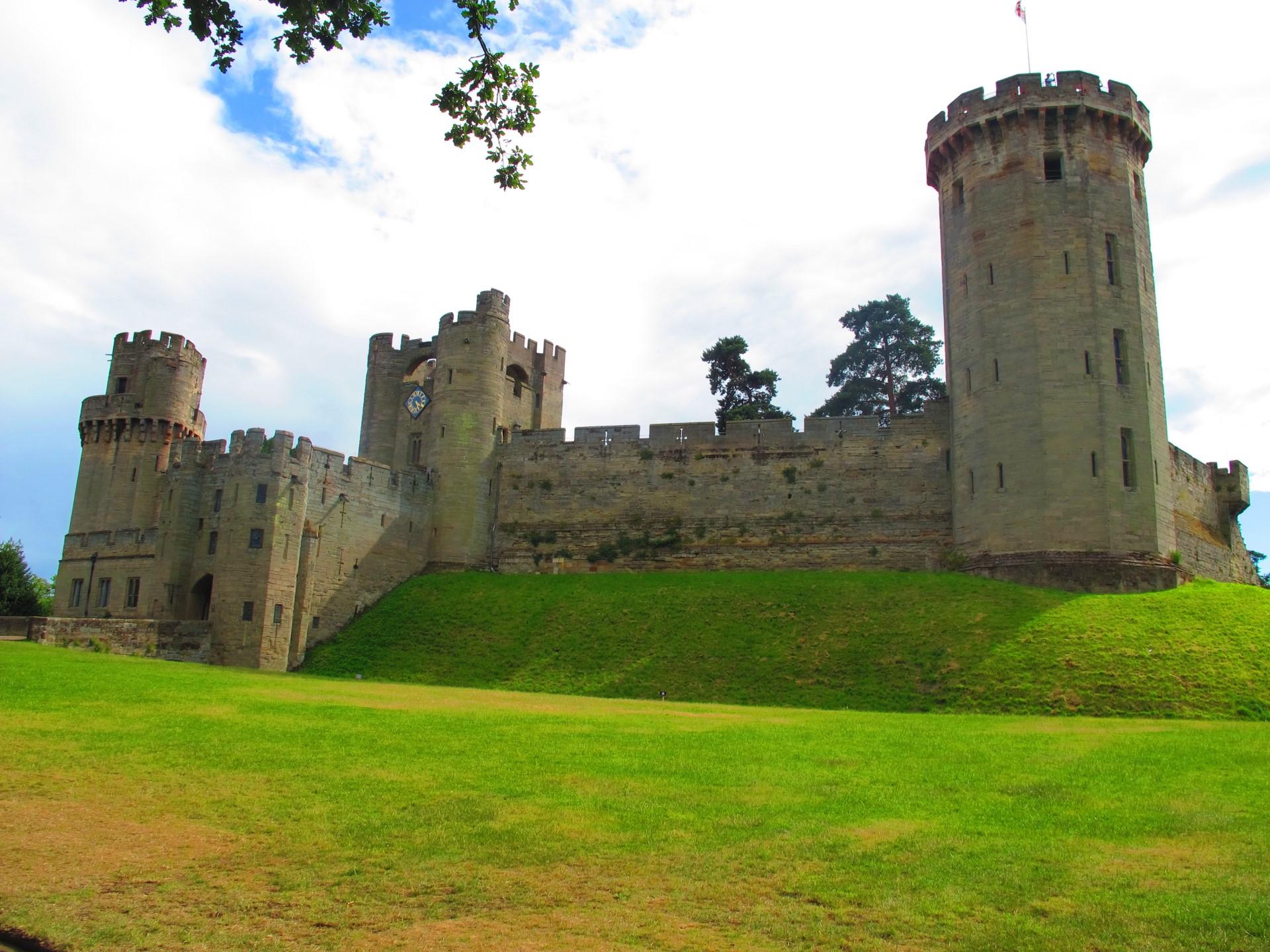
Constructed during the reign of King Stephen, Sheriff Hutton Castle's foundations were laid by Bertram de Bulmer, the Sheriff of York, cementing its historical significance early on. Acquired on the 29th of June, 1471, this fortress would become an instrumental piece in England's storied past, eventually linked to notable figures such as Sir Thomas More and Richard III.
The Neville Dynasty and the Castle's Ascendance
Transitioning into the hands of the formidable Neville family, Sheriff Hutton Castle rose in prominence. By 1377, John Neville obtained a charter for a market, bolstering the castle's standing. Further fortification through a license to crenellate was secured by Lord Neville in 1382, signaling the castle's growing militaristic and economic importance.
Market Fairs and Economic Prosperity
An annual fair on September 14 and a regular Monday market would set Sheriff Hutton Castle as a hub of medieval trade and societal gathering, enriching both its coffers and cultural significance within the region.
Richard III and the Castle's Royal Connection
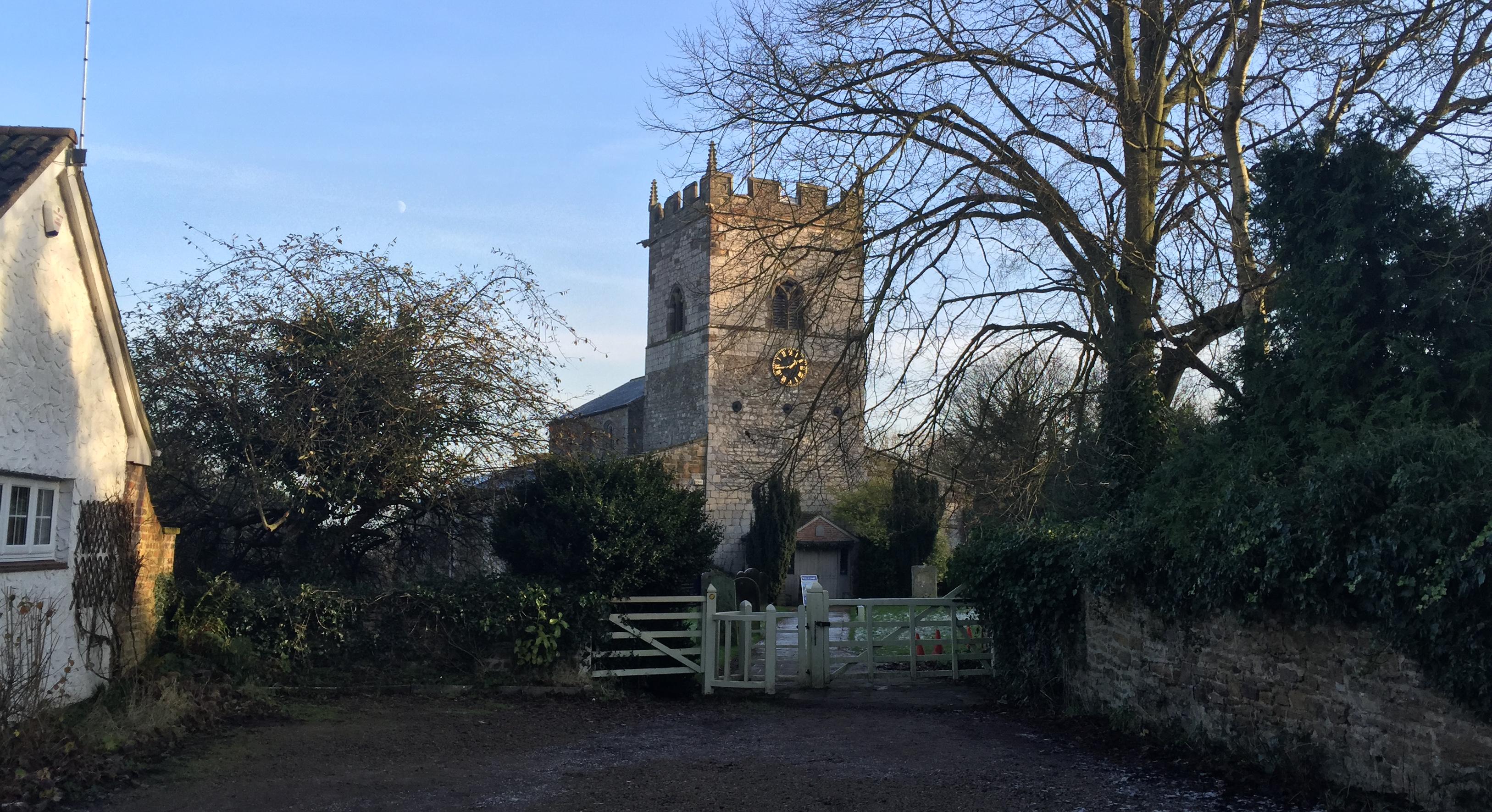
The fall of Richard Neville at the Battle of Barnet led to Sheriff Hutton Castle's inheritance by Richard, Duke of Gloucester. This pivotal transition set the stage for the castle's intimate involvement with the royal court and the political machinations that would embroil England in the War of the Roses and the eventual rise of the Tudor dynasty.
Royal Residence and Military Command
Richard III's frequent stays at Sheriff Hutton provided not only a regal residence but also a strategic military headquarters. Events such as the preemptive measures against potential Scottish aggression in 1480 underscored the castle's military and political relevance.
The Establishment of the Council of the North
In a move to consolidate power and governance, Richard III formed the Council of the North in 1484, with Sheriff Hutton as one of the principal seats of this administrative body. The lasting impact of this council, persisting for a century and a half, would echo through Northern England's governance and historical narrative.
Tudor Acquisition and Royal Property

After the fall of Richard III and the rise of Henry VII, Sheriff Hutton Castle transitioned to the Tudor crown, where it resided until being granted to Charles, Prince of Wales, who would ascend as Charles I. This made the castle a central thread in the rich tapestry of England's monarchical lineage and shifting political landscapes.
From Historical Stronghold to Private Ownership
While no longer in the hands of royalty, Sheriff Hutton Castle's intricate and intense history lives on. Its private ownership today belies a past steeped in moments that have shaped the narrative of England, leaving an indelible mark on both the land and historiography of the nation.