Historical Genesis of Sheriff Hutton Castle

Built in the fractious period of England's history, the robust Sheriff Hutton Castle was constructed by Bertram de Bulmer, the then-Sheriff of York, under King Stephen's rule. Over the years, the castle has withstood numerous changes in ownership and has played a pivotal role in the events leading up to the rise of one of Shakespeare's most notorious characters, Richard III.
Sheriff Hutton Castle: From the Nevilles to Richard III
The castle's prominence grew as it passed hands within the influential Neville family. The market charter and crenellation license granted in the 14th century marked the castle as a place of trade and defense. But it was Richard Neville, the Earl of Warwick, known as 'the Kingmaker', who left an indelible mark on the castle's history before it ultimately came into the possession of his namesake, Richard, Duke of Gloucester – the future King Richard III.
Richard III's Northern Bastion

Richard's time at Sheriff Hutton Castle was one of strategic governance and military preparedness—traits often overshadowed by his notorious reputation in literary narratives. His efficient leadership as Lord of the North, along with the castle's proximity to York, positioned it as a centre of administration and defense during the turbulent times of the Wars of the Roses.
Historical Significance During Richard III's Reign
In his short reign, Richard III made Sheriff Hutton Castle a nexus of royal ambitions. He used it not only to position potential heirs, such as Edward, Earl of Warwick, but also to consolidate his power through the establishment of the Council of the North. While historically this has enhanced the castle's stature, Shakespeare's portrayal of Richard has largely eclipsed such administrative sagacity with a far more malevolent narrative.
Shakespeare's Portrayal vs. Historical Narrative
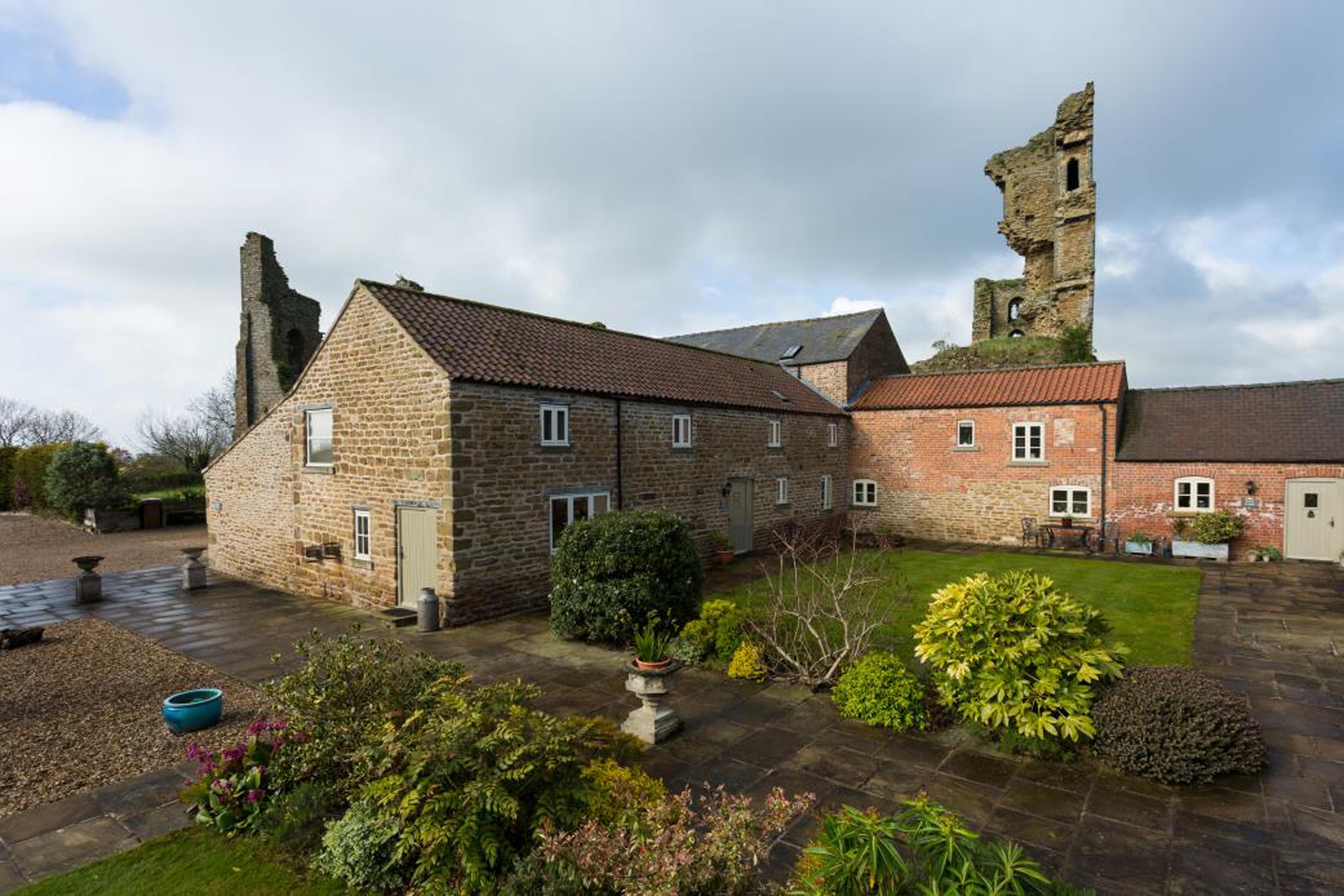
While the castle bore witness to significant historical events, Shakespeare's 'Richard III' paints the titular character in strokes of unadulterated villainy. This literary creation has endured, juxtaposing itself against the complexities of the historical Richard, whose tenure at Sheriff Hutton was characterized by effortful governance and political astuteness—elements that remain underappreciated in popular depictions.
The Castle's Journey Through Time
Following the Battle of Bosworth and the fall of Richard III, the castle transferred to the Tudor dynasty, embodying the pervasive changes in English rule and society. Serving as the headquarters of the Council of the North for over a century, Sheriff Hutton Castle symbolizes the enduring legacy of governance that survived the fall of Richard III and endured until the days of Charles I.
Sheriff Hutton Castle's Modern Identity
Today, Sheriff Hutton Castle exists primarily as a historical curiosity, privately owned and distanced from the royal intrigues it once silently observed. Nevertheless, its ruins remain a monument to the multifaceted history that shaped England and provided material for one of Shakespeare’s most compelling and controversial works.
Unraveling the Layers of Sheriff Hutton Castle's History
The rich tapestry of Sheriff Hutton Castle's past invites scholars and enthusiasts alike to delve into the depths of England's past. Through a dedidcated examination of primary sources and a reflection on the House of York's complex narrative, history enthusiasts can discover the realities that informed Shakespeare's dramatic interpretation, unravelling the true essence of Richard III's controversial legacy.