
The annals of British history are replete with tales of bloody skirmishes and vigorous battles, but few have matched the scale of devastation experienced at the Battle of Towton. Occurring on 29 March 1461, this event stands as a dark epitome of the discord known as the Wars of the Roses.
The Strategic Maneuvers Preceding Battle
After a semblance of victory at St. Albans, King Henry VI committed a strategic folly. Despite the opportunity to advance on London, he chose reunification with his queen over what could have arguably altered the fate of the Lancastrian cause. Their forces turned northward, unknowingly setting the stage for their upcoming ruin.
Initial Lapses and Yorkist Strategy
On the opposing side, the Earl of Warwick, with a decisive grasp of wartime politics, proclaimed Edward IV as the King of England amidst London's supportive cries. Edward, a leader of firm resolve, knew well the consequences of dual monarchies and set his sights on eradicating such a possibility.
Troop Movements Towards Towton
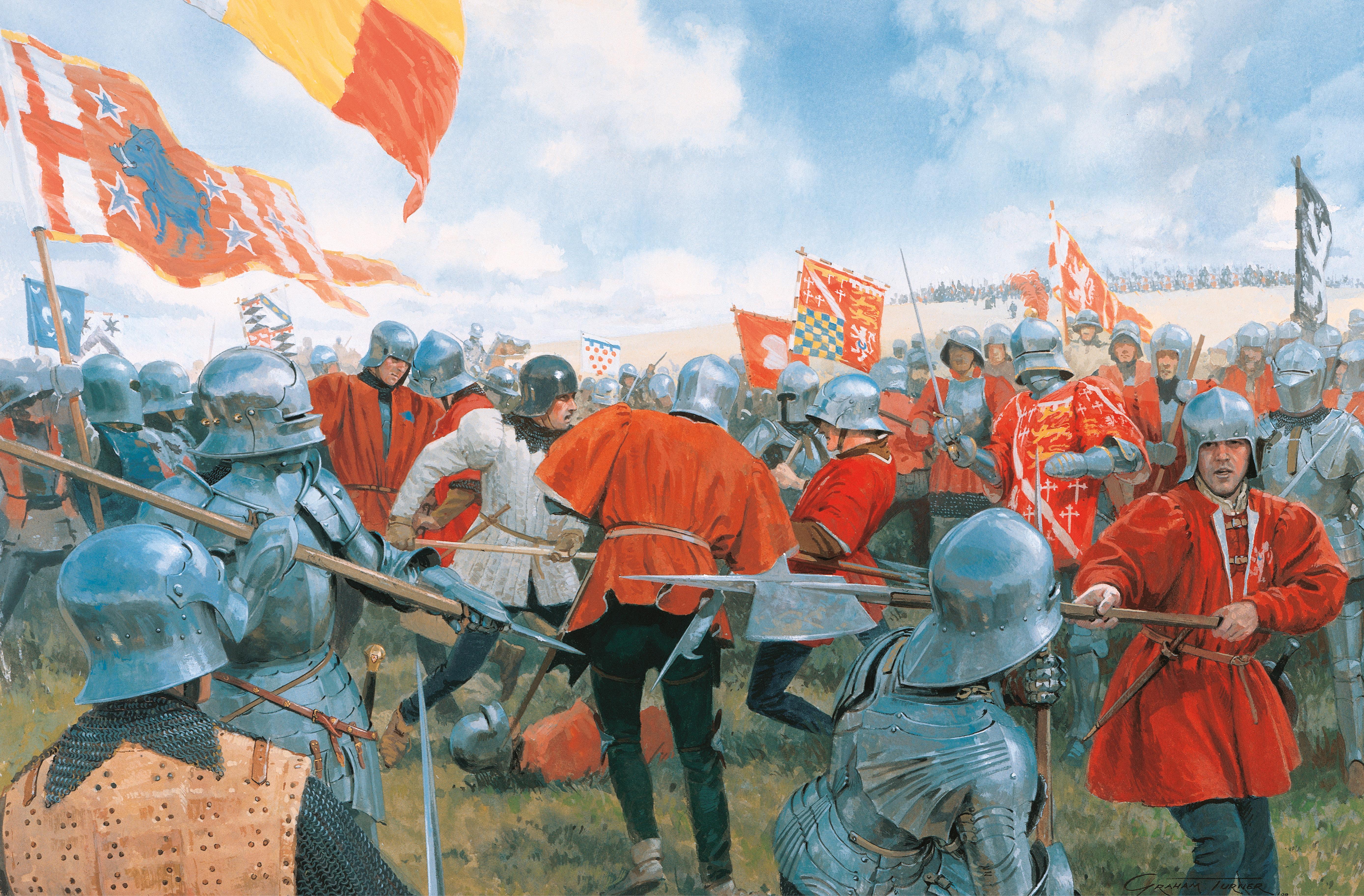
Ahead of the main host, Lord Fauconberg took the lead while Warwick gathered additional forces. The Yorkist army, a formidable size estimated at some 40,000 strong, commenced their northern march, unified in purpose and strategy.
The Skirmish at Ferrybridge
An unexpected turn of events took place at Ferrybridge as the Yorkists faced a short-lived setback. Lord Fitzwalter's troops fell victim to a surprise attack led by the Lancastrian Lord Clifford. Though swift, this victory was fleeting, as the tables turned resulting in Clifford's death and a renewed Yorkist advance.
The Confrontation on a Wintry Expanse
It was on the bleak, snow-swept expanses between the villages of Towton and Saxton that both armies would engage in a struggle that would enter the annals of history for its sheer scale and bloodshed.
The Fickle Favor of the Elements

The engrossing battle, lasting near an entire day, saw some 80,000 men clashing steel under inclement weather. A blinding storm swirled around them, tipping the scales in favor of the Yorkists.
Turning the Tides
The battlefront seesawed violently until the Duke of Norfolk's reinforcements bolstered the Yorkist right flank. The newfound strength allowed Edward to slowly but effectively flank the Lancastrian left, initiating their inexorable retreat.
The Fatal Collapse and Aftermath
In the chaos that ensued, as Lancastrian discipline crumbled, the bloody and treacherous crossing at Cock Beck claimed countless lives. The grim toll of the Battle of Towton has cemented its legacy as one of the most lethal encounters on British soil.
Receding into the Mists of Time
The conclusive figures of the slain remain shrouded in mystery, a testament to the horrors of medieval warfare. Raphael Holinshed, one of the illustrious chroniclers of that era, captured the essence of such confrontations in his works, preserving them for prosperity and reflection.
The Wars of the Roses continue to captivate historians and enthusiasts alike, with the Battle of Towton standing as a sobering reminder of the fragility of peace and the devastating potential of civil war.