
We often encounter a host of inquiries concerning the enigmatic figure of Richard III, his era, and the activities of the Foundation dedicated to his study. Responding to the growing curiosity, we've compiled and answered the most frequently asked questions. We aim to continually update this resource as new queries emerge, and we encourage you to send additional questions to . Your interest and engagement are highly valued.
A. What was the Wars of the Roses?
The Wars of the Roses spanned from 1455 to 1487 and was a civil war for control of the throne of England between two rival branches of the royal House of Plantagenet: the House of York, whose symbol was a white rose, and the House of Lancaster, associated with a red rose. The conflict arose from social, financial, and factional struggles, which we will elaborate on here.
B. Who were the Lancastrians?
The Lancastrians' claim originated from Edward III's third son, John of Gaunt. Notably, the Act of Accord in October 1460 intended for the crown to pass to the House of York after Henry VI's death, thereby excluding Prince Edward of Westminster, Henry's son, from succession.
C. Who were the Yorkists?
Descended from Edward III, the House of York had Richard of York claim the throne via a stronger lineage compared to the Lancastrian counterparts. The pivotal Act of Accord effectively set the stage for Richard of York and his progeny to inherit the throne after Henry VI's death.
D. Who were the Plantagenets?
The extensive Plantagenet dynasty experienced conflicts like the Welsh and Scottish conquest attempts and the Hundred Years War. It was a period marked by cultural development, judicial reforms, and the commencement of the Wars of the Roses, which debated the crown among the Lancastrians and Yorkists.
E. Who were the Tudors?

The Tudor dynasty succeeded the Plantagenets, beginning with Henry VII, who founded the house after the Wars of the Roses. The Tudors saw cultural renaissance, colonial expansion, campaigns in Ireland, religious upheaval, and influential political changes.
1. Who was Richard III?
Richard III, born in 1452, was the twelfth of thirteen children born to Richard, Duke of York, and Cecily Neville. His turbulent life included being captured by Lancastrians, witnessing his brother's reign, and ultimately assuming the throne himself. Despite legislation aimed at societal betterment, Richard III's reign was brief and ended with his death at the Battle of Bosworth.
2. Was Richard III a good king?
Richard III demonstrated thoughtful leadership, enacting laws beneficial to all classes and being noted for his fairness. He established the College of Arms and sought the betterment of the society through various reforms, despite facing personal tragedies during his reign.
3. What were Richard III's major accomplishments during his life?
His accomplishments span establishing institutions for heraldry, law, and education, promoting the arts, and enacting reforms in justice and governance.
4. Did Richard III have a hunchback/withered arm?
Contrary to Shakespeare's portrayal, historical records suggest that Richard III did not have a withered arm. His participation in battles and his effective engagement in combat indicate that he likely did not have significant physical deformities.
5. Did Richard III kill Edward of Lancaster?
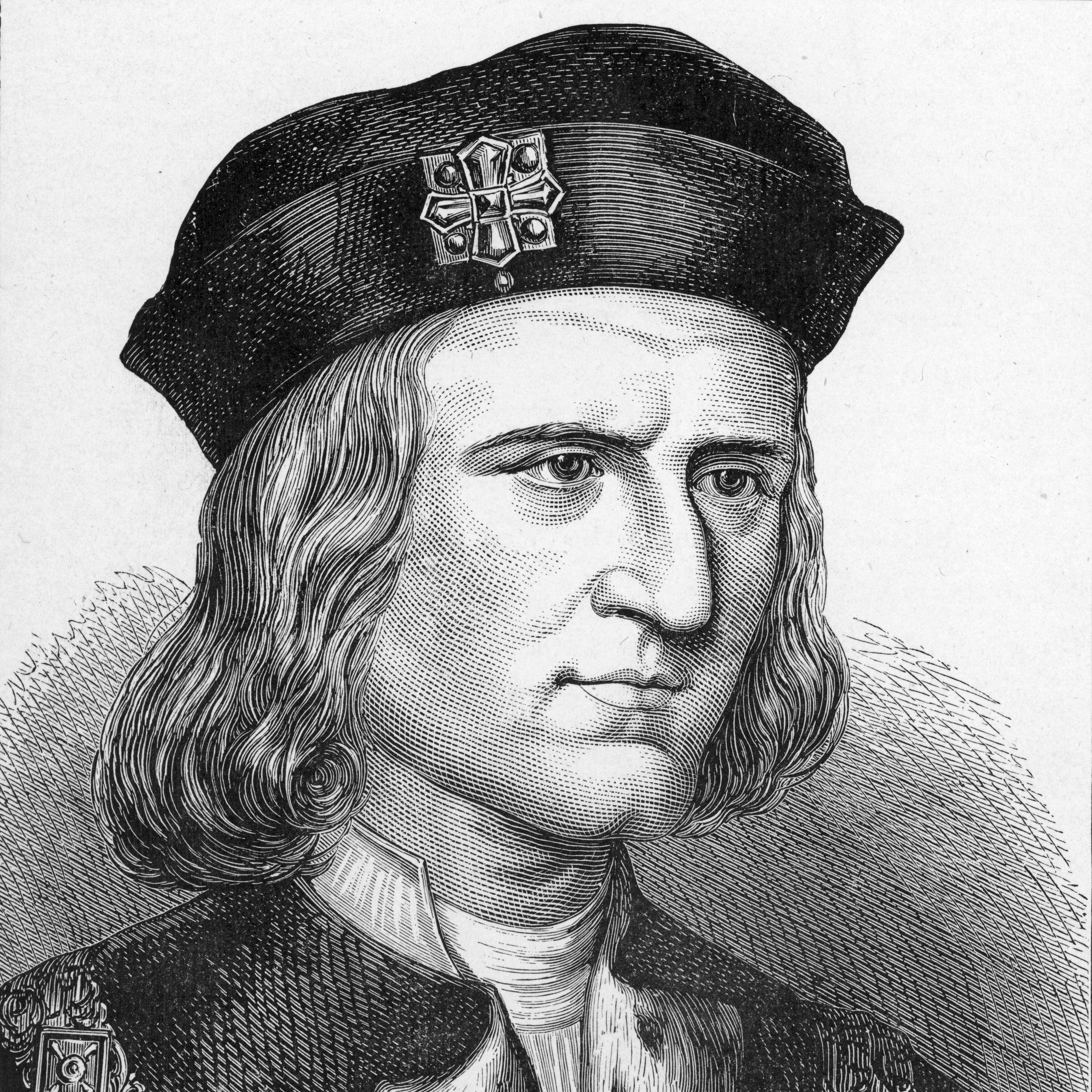
The accusation that Richard III killed Edward of Lancaster lacks proper contemporary evidence and is not supported by credible sources of the time.
6. Did Richard III kill Henry VI?
Henry VI's death was likely ordered by Edward IV, not Richard III, to end the civil strife associated with the Lancastrian claims to the throne.
7. Did Richard III plot for twenty years to get the throne of England?
Richard III devoted much of his life in service to his brother and the realm, notably in the North of England, only assuming the crown upon being petitioned by Parliament following his brother's untimely death.
8. Did Richard III murder his nephews?
The mysterious disappearance of the princes in the Tower of London has never been definitively solved, though it's largely unsubstantiated that Richard III was their murderer.
9. Did Richard III poison his wife Anne Neville?
While Shakespeare sensationalizes Anne's death as murder, historical evidence points to her demise being due to natural causes after the loss of their son.
Why is there still an interest in Richard III?
Richard III's historical narrative is marred by controversy and character assassination, sparking an enduring interest in discovering the truth behind his actual deeds and character.
Why is there a Richard III Foundation?
The Richard III Foundation is dedicated to rectifying misconceptions about Richard III's legacy, promoting education and scholarship, and maintaining a comprehensive perspective on the Yorkist period.
Recommended Non-Fiction and Fiction Books About Richard III
Non-Fiction Recommendations:
- Sir George Buck: The History of the Life and Reign of Richard III
- Rosemary Horrox: Richard III - A Study in Service
- Charles D. Ross: Richard III
Fiction Recommendations:
- Josephine Tey: The Daughter of Time
- Sharon Kay Penman: The Sunne in Splendour] # Output should stop here, as the user's prompt has been cut off.