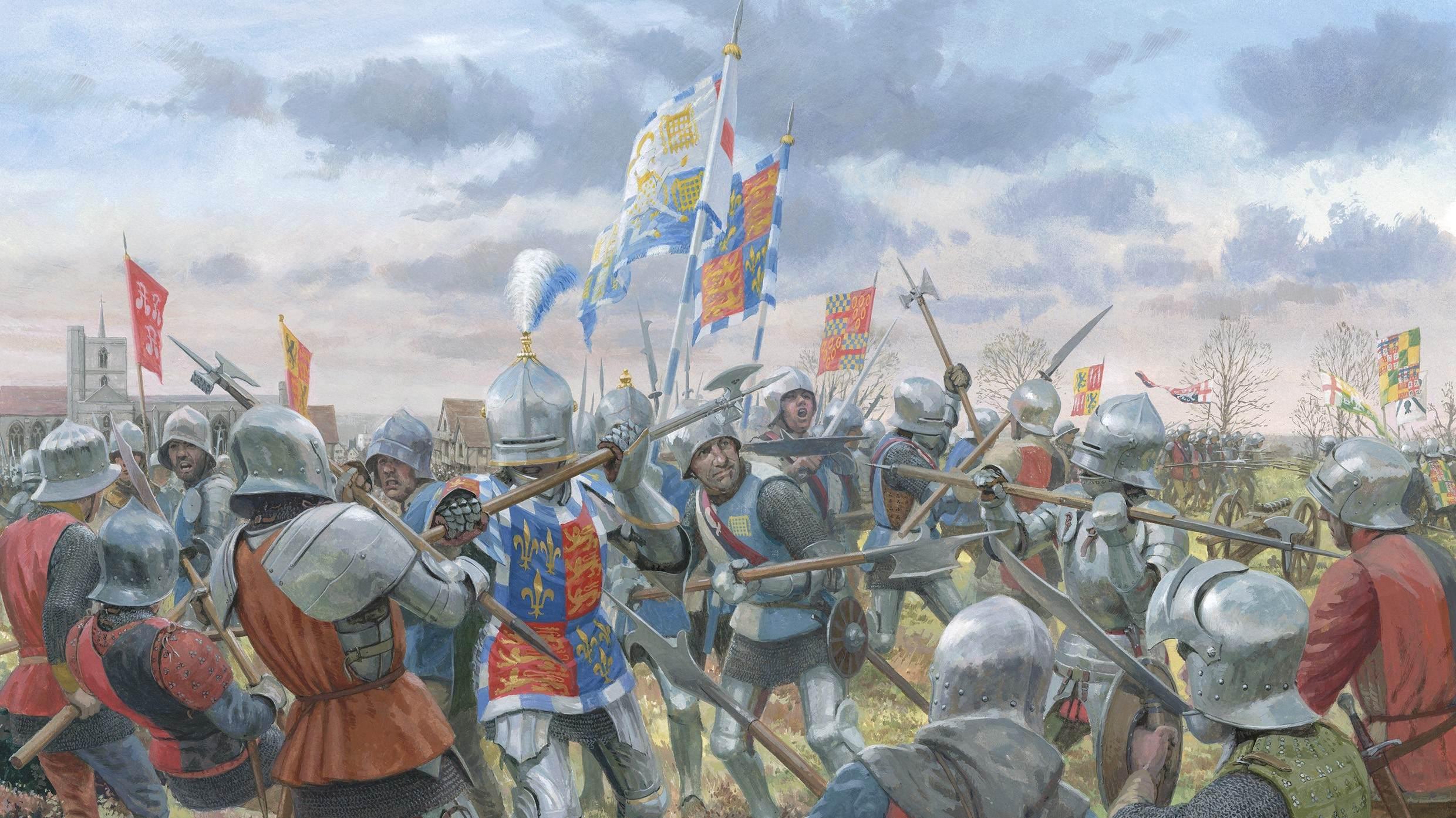
We at the Foundation receive numerous queries about King Richard III, his era, and the pivotal Wars of the Roses. This article seeks to address the most common questions and will be regularly updated as new information emerges. We value your curiosity and encourage you to keep sending your questions to .
Understanding the Wars of the Roses
What was the Wars of the Roses?
The Wars of the Roses were a series of civil wars fought from 1455 to 1487 between the rival houses of York and Lancaster. Named after the symbols of the two houses – the white rose for York and the red rose for Lancaster – these conflicts were fueled by a complex mix of dynastic, political, and social factors.
Who were the Lancastrians?
The Lancastrian claim to the throne was through John of Gaunt, son of King Edward III. Facing opposition, Parliament passed the Act of Accord in 1460 which promised the throne to the House of York after the death of Henry VI, essentially bypassing his son Edward of Westminster.
Who were the Yorkists?
The House of York also descended from Edward III and had strong claims to the English crown through familial ties. Richard, Duke of York, and his sons, particularly, believed their claim surpassed that of the Lancastrians.
Who were the Plantagenets?
The Plantagenets were a royal house that included a line of famous kings such as Edward I and Edward III, ultimately giving rise to the Wars of the Roses. This period was marked by ideological conflicts leading to the Battle of Bosworth that ended Plantagenet rule in favor of the Tudor dynasty.
Who were the Tudors?
The Tudor dynasty emerged from the Wars of the Roses, beginning with Henry VII's ascent to the throne. This period is noted for its cultural vibrancy and the political shifts it forged within the British Isles and beyond.
King Richard III's Life and Reign
Who was Richard III?

Richard III, born into the House of York, played a critical role in the Wars of the Roses before taking the throne. Known for his military acumen and administrative reforms, his life continues to fascinate historians.
Was Richard III a good king?
Controversy surrounds Richard III’s reign, which was notable for progressive legislation aimed at benefiting all social classes. He implemented widespread reforms that resonate with what we view today as steps toward modern governance.
What were Richard III's major accomplishments during his life?
Richard III's achievements included founding the College of Arms, improving royal infrastructure, and supporting education and culture. His legislative reforms set a precedent for future governance.
Did Richard III have a hunchback/withered arm?
Despite popular portrayal, Richard III was an able soldier, and it is unlikely that he had the severe physical deformities attributed to him by later Tudor propagandists and dramatists like Shakespeare.
Did Richard III kill Edward of Lancaster?
Accusations that Richard III was responsible for Edward of Lancaster’s death seem unfounded, as contemporary sources suggest that Edward was killed during the Battle of Tewkesbury rather than by a premeditated act orchestrated by Richard.
Did Richard III kill Henry VI?
While Richard III is often implicated in Henry VI’s death, historical records indicate that the death was likely ordered by Edward IV in an effort to consolidate his reign and quash Lancastrian challenges.
Did Richard III plot for years to get the throne of England?

Rather than plotting for the throne, Richard III was mainly engaged in the administration of Northern England and military campaigns. Following his brother's death, he was entrusted with protectorship, which evolved into his kingship amid political turmoil.
Did Richard III murder his nephews?
The disappearance and possible murder of the Princes in the Tower remains one of history's mysteries, with no conclusive evidence linking Richard III to their presumed deaths.
Did Richard III poison his wife Anne Neville?
While some rumors suggest foul play in the death of Anne Neville, records point to her succumbing to an illness, with no indication of intentional harm from Richard III.
Legacy and Continued Interest
Why is there still an interest in Richard III?
Differing historical narratives have created an enduring legacy for Richard III, sparking interest in rediscovering the truth of his life and rule, which has been shadowed by Shakespearean fiction and Tudor political agendas.
Why is there a Richard III Foundation?
The Richard III Foundation actively promotes scholarship and provides resources that support a balanced understanding of the Yorkist era, revealing a period marked by advances in governance and culture.
Exploring Ricardian Legacy
Exploring Ricardian England: Key Sites and Resources
For those passionate about medieval history and the story of Richard III, there are numerous sites across England to explore. From the grandeur of Middleham Castle to the hallowed grounds of Fotheringhay, each location offers a unique insight into the life and times of this enigmatic king.
Recommended Reading on Richard III
To delve deeper into the complexities of Richard III's life, a wealth of non-fiction and fiction literature is available. Historians such as Paul Murray Kendall and Charles Ross offer insightful perspectives, while authors like Sharon Kay Penman and Rosemary Hawley Jarman bring the past to life through their novels.