1459: The Precursor to Battle

On the 23rd of September 1459, after four years of precarious peace, the discord within England's borders could not be staved off. The realm, languished under neglect, suffered as no parliament convened for years, and the kingdom stood starkly divided. The Yorkist faction, resolute and armed, was on the move, while the Lancastrian forces, under the direction of the Queen, who effectively governed in the King's stead, readied themselves for an inevitable clash. The stage was set for confrontation, and the destinies of both parties were soon to be decided at Blore Heath.
Armies Assemble: The Lords Prepare
The Lancastrian force, led by Lord Audley, rallied near Market Drayton, primed to cut off Lord Salisbury's march from Yorkshire. Their goal was to prevent the Yorkists from reinforcing their numbers at Ludlow with the Duke of York. The two armies, driven by the fervor of their causes, would meet with destiny on the field at Blore Heath, commencing a battle that would ripple through history.
Strategic Positions and Initial Maneuvers
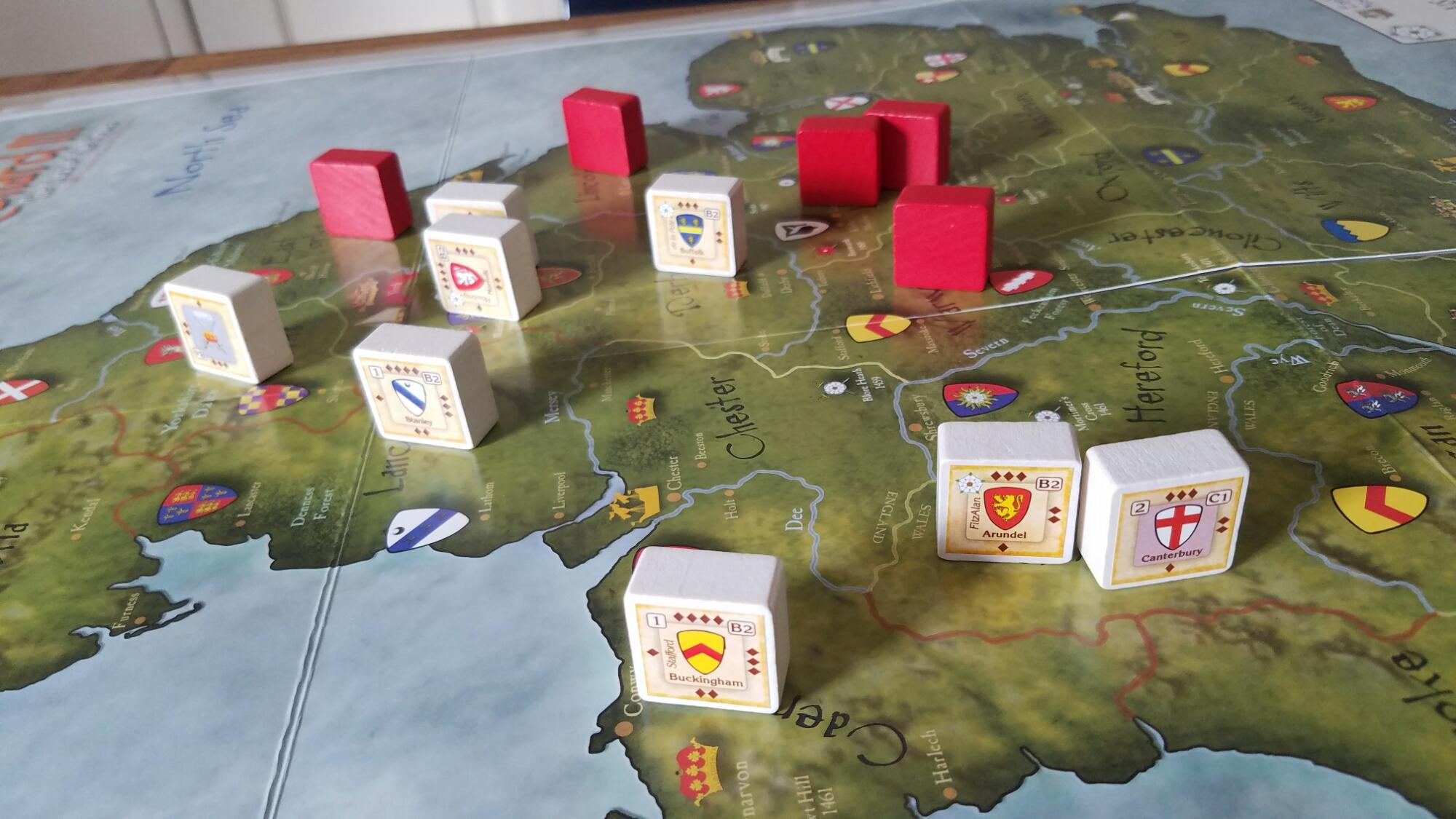
The Lancastrians, with a host numbering upward of 6,000, occupied positions west of a strategic stream, eyes set on intercepting the Yorkist Lord Salisbury and his 3,000 troops. Salisbury, undeterred by the odds, and unable to flee combat, safeguarded his flank with a makeshift fortification of wagons. As the Audley Cross stands testament today, it was at this locale that the Yorkist left anchored themselves upon the marshy periphery of a copse.
The Thrust and Parry of Medieval Warfare
Historical accounts differ on whether Salisbury's retreat was a tactic to lure the Lancastrians or a genuine fallback. Nonetheless, Lord Audley, compelled by a call to action or strategic blunder, led the offensive. His cavalry's assaults were repelled, fated as they were to charge uphill towards the fortified Yorkist stance. Following this, the Lancastrian foot soldiers ascended the slope, only to meet with failure as their cavalry failed to synchronize. With Audley's demise and the untimely desertion of 500 Lancastrian troops, the Yorkists' foothold strengthened.
The Aftermath: A Victory for the Yorkists

What began as an attempt to intercept led to a devastating loss for the Lancastrians. In the ensuing mêlée and the pursuit of the broken army, casualties on the Lancastrian side soared to possibly 2,000, while Yorkist losses remained markedly lower. The battle of Blore Heath thus ended with Yorkist dominance on that day, though this was but one episode in the protracted and bloody Wars of the Roses.
Legacy of Blore Heath
In the retrospective landscape of English history, Blore Heath stands as a testament to the intractability of civil war and the unpredictable fortunes of battle. The events laid bare the factionalism riddling the kingdom, paved the way for further strife, and highlighted the tactical acumen and resilience of leaders such as Lord Salisbury. Though one battle among many, it indelibly marked the path leading to the eventual rise and fall of King Richard III.