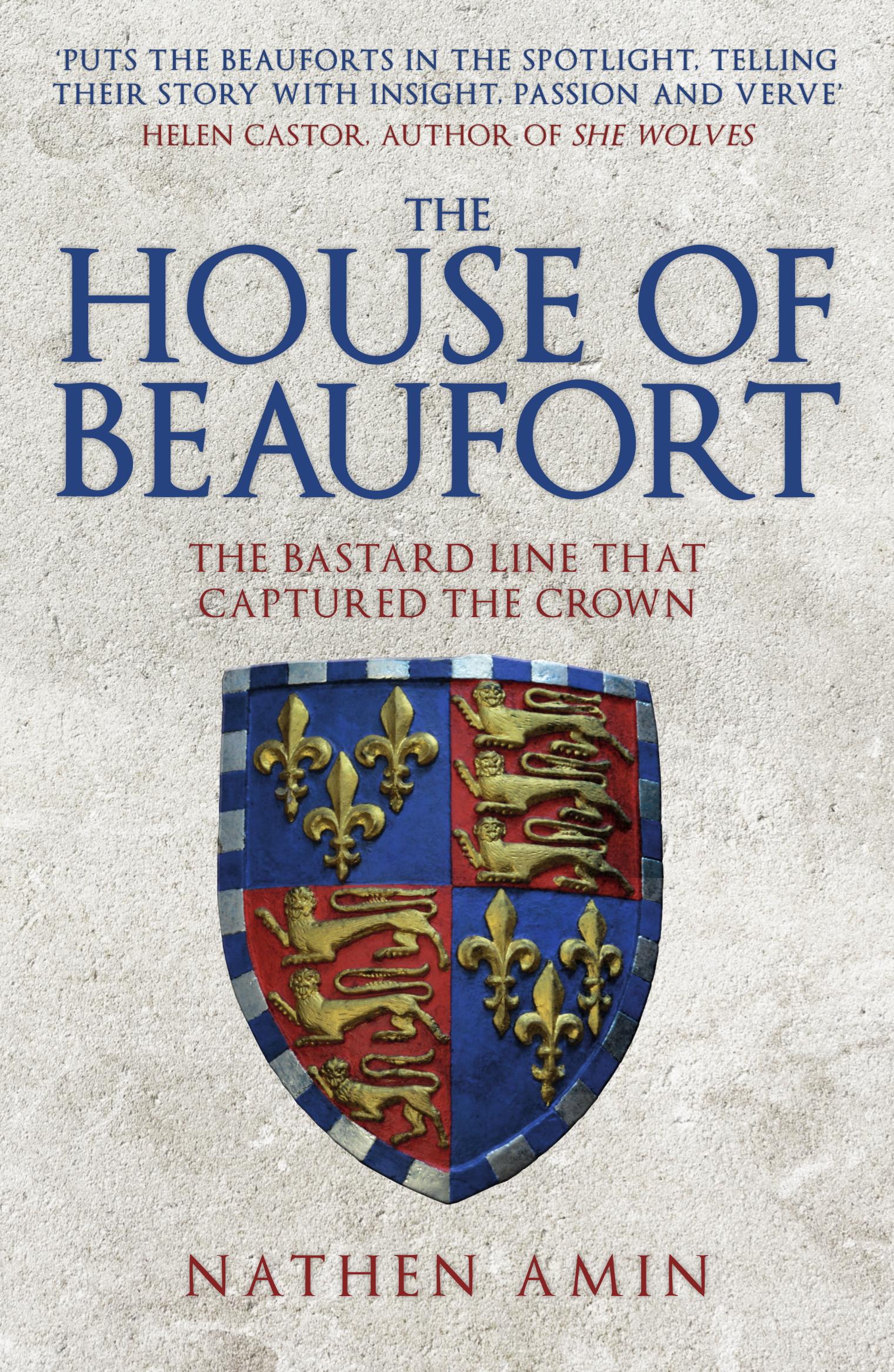
Lady Anne Neville captures the public imagination through her connection to one of England's most controversial kings, Richard III. As supporters of the Richard III Foundation frequently seek clarity on her era, we address the most commonly asked questions and provide historical insights into the Wars of the Roses, the House of Plantagenet, and the transitional period leading to the reign of the Tudors.
Return to Main Page
This article serves as a detailed FAQ segment covering topics related to Lady Anne Neville, her husband King Richard III, and the turbulent times they lived in. Navigate through our comprehensive questions and answers to better understand their significant roles in English history.
Frequently Asked Questions
We aim to educate and inform our readers on the complexities surrounding the figure of Richard III and his era. Here, we tackle the most common queries we encounter.
What was the Wars of the Roses?
The Wars of the Roses was a series of civil wars fought between 1455 to 1487. Two rival branches of the royal House of Plantagenet - the House of York, symbolized by a white rose, and the House of Lancaster, represented by a red rose - vied for the throne of England. The conflict was rooted in claims to kingship, political maneuvers, and the question of succession.
Who were the Lancastrians?
The Lancastrian claim to the English throne emerged from Edward III's third son, John of Gaunt. The controversial Act of Accord of October 1460 sought to resolve the dispute by agreeing to pass the throne to the House of York following the death of King Henry VI, bypassing his son Edward of Westminster.
Who were the Yorkists?
The Yorkists, also descended from Edward III, found their claim through Richard, Duke of York. They believed their lineage provided a stronger right to the throne than that of the Lancastrians. Following various episodes of contested rulership and misgovernance, the influential Act of Accord was their stepping stone to claim kingship.
Who were the Plantagenets?
The Plantagenet dynasty witnessed significant conflicts and cultural developments from Edward I's imperial ambitions to the emergence of the Hundred Years War. The period saw growth in parliamentary power, cultural flourishing, and the spread of plague, all climaxing into the internal conflict known as the Wars of the Roses.
Who were the Tudors?
The Tudor dynasty followed the end of the Wars of the Roses, heralding a new era with stability and maritime explorations. The Tudors introduced religious reforms and were significant patrons of the arts, cementing England as a pivotal European power.
Who was Richard III?
Richard III, born to Richard, Duke of York, and Cecily Neville, was a central figure of the Wars of the Roses. Known for his military prowess and legal reforms, his short reign is both admired for its progressiveness and marred by controversies, such as the mystery surrounding the princes in the Tower.
Was Richard III a good king?
Richard III's reign, though brief, was marked by enlightened laws and fair governance. Historians note his measures to improve justice, encourage education, and foster economic growth.
What were Richard III's major accomplishments during his life?
Richard's accomplishments included legal reforms, patronage of education, and civic developments, such as his contributions to the architectural landscape of castles and religious institutions.
Did Richard III have a hunchback/withered arm?
Contemporary accounts and his proven combat ability suggest that the physical deformities Shakespeare attributed to Richard III are likely exaggerated if not entirely fabricated.
Did Richard III kill Edward of Lancaster?
Historical sources suggest that Edward of Lancaster died on the battlefield during the Wars of the Roses, with little evidence pointing directly to Richard III's involvement in his death.
Did Richard III kill Henry VI?
While Shakespeare's portrayal implicates Richard III in Henry VI's death, historical evidence suggests the order for Henry VI's demise came from King Edward IV.
Did Richard III plot for twenty years to get the throne of England?

Richard III's primary focus was on the governance of Northern England and loyalty to his brother, Edward IV. His ascension to the throne was precipitated more by events following Edward's death than a long-standing personal ambition.
Did Richard III murder his nephews, who really killed the princes, and what about the bones in Westminster?
The fate of the "Princes in the Tower" remains one of history's enduring mysteries. Accusations against Richard III are largely based on rumor and speculation, with no definitive evidence confirming his involvement in their disappearance.
Did Richard III poison his wife Anne Neville?
Despite accusations made posthumously, there is no substantial evidence to suggest that Richard III poisoned Anne Neville. Records indicate their marriage was harmonious, and her death was likely due to natural causes.
Why is there still an interest in Richard III?
The ongoing interest in Richard III may stem from efforts to reconcile his vilified image with historical accounts that portray him as a fair and just ruler. The quest for a true understanding of his character continues to captivate historians and the public alike.
Why is there a Richard III Foundation?
The Richard III Foundation exists to promote a balanced perspective of the king and his era through scholarly research and educational activities. Covering research, exhibitions, and conferences, it seeks to challenge long-standing narratives with nuanced historical analysis.
What non-fiction books do you recommend?
Our recommended reading list includes critical works like Bertram Fields' "Royal Blood" and Paul Murray Kendall's biography "Richard the Third". These texts offer in-depth studies of Richard III's life and reign, challenging traditional accounts of his character.
What fiction books do you recommend?
Fictional interpretations of Richard III's life, such as Josephine Tey's "The Daughter of Time" and Sharon Kay Penman's "The Sunne in Splendour", provide captivating narratives that explore different facets of the monarch and his times.
Conclusion
In conclusion, the life and times of Lady Anne Neville and Richard III are inseparable from the rich tapestry of England's history. Through continued scholarship and research, we peel back the layers of myth to reveal the human figures beneath the royal icons. For further inquiries or to contribute to our ongoing discovery, contact us at .